RDR is now an independent initiative. Our website is catching up.  Read our announcement →

Corporate Accountability News Highlights is a regular series by Ranking Digital Rights highlighting key news related to tech companies, freedom of expression, and privacy issues around the world.

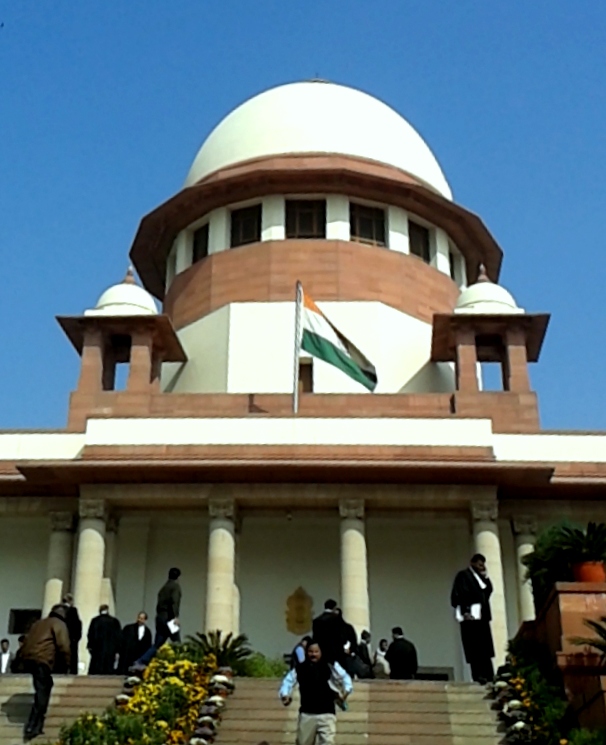
Privacy is a fundamental right, says India’s top court

Image by MohitSingh (Licensed CC BY 3.0)

In a landmark decision, India’s Supreme Court has ruled that privacy is a fundamental right, protected by the country’s constitution. The case stems from a legal challenge to the Indian government’s controversial new biometric database, Aadhaar, which is the largest of its kind in the world. Individuals must enroll in this database—which requires submitting their fingerprints, iris photographs, and facial photographs—in order to obtain a variety of government services, including paying taxes or receiving a government subsidy. According to The Atlantic, this makes it “almost impossible to live in India without enrolling.”

Privacy advocates in India petitioned the court over the program’s privacy risks to individuals enrolled in Aadhaar. In its ruling that privacy is a fundamental right, the court also overturned previous cases which said it was not. The court did not rule on the legality of Aadhaar itself, which will be considered separately. Advocates also anticipate the case will also have an impact on tech companies’ collection and use of user data. “These companies must brace for [legal action],” Sunil Abraham, executive director of the Bangalore-based Centre for Internet and Society, told CNN. “Individuals who are unhappy with the treatment of their personal information can now take them to court, because it is an infringement of a fundamental right.”

The Corporate Accountability Index contains 18 indicators measuring companies’ disclosure of policies affecting users’ privacy, and whether these policies and commitments demonstrate the concrete ways companies respect and protect the privacy rights of users. Indicators in this category are based on standards established by the Universal Declaration of Human Rights, the International Covenant on Civil and Political Rights and other international human rights instruments, which guarantee privacy as a fundamental human right. However, national laws and regulations can have a significant impact on a company’s policies affecting users’ privacy. As noted in our recommendations, governments should work with the private sector and civil society to ensure that legal and regulatory frameworks make it possible for companies to respect digital rights. (more…)

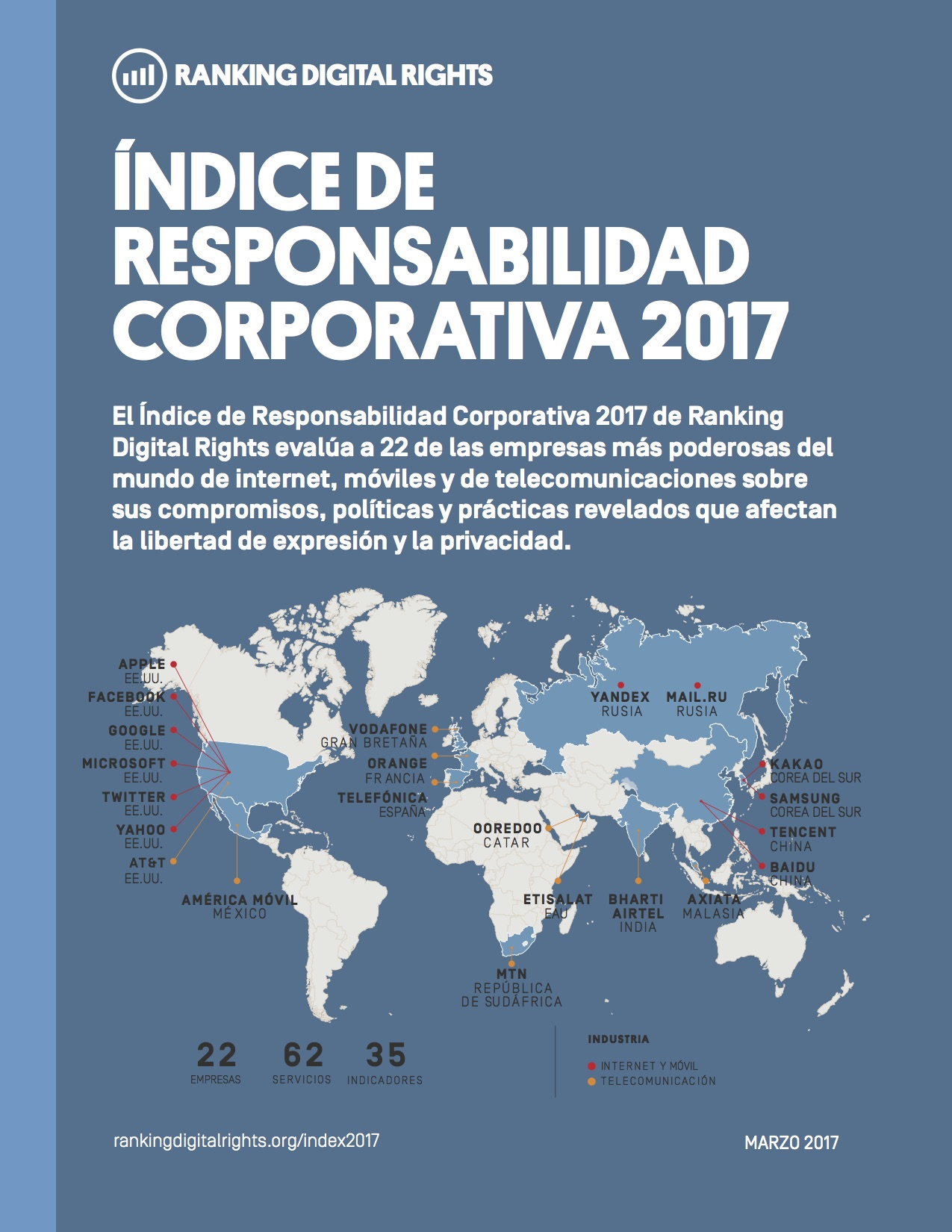
We are pleased to announce that the Ranking Digital Rights 2017 Corporate Accountability Index report highlights, as well as the América Móvil and Telefónica “report cards,” are now available in Spanish, thanks to our partners at Global Voices Translation Services.  

In a guest blog post (below), Gisela Pérez de Acha, contributing researcher with Ranking Digital Rights and a policy analyst with digital rights NGO Derechos Digitales based in Chile, reviews key highlights of the Index report and explains the importance of corporate accountability regarding policies affecting users’ freedom of expression and privacy. (more…)

Corporate Accountability News Highlights is a regular series by Ranking Digital Rights highlighting key news related to tech companies, freedom of expression, and privacy issues around the world.

Tech companies combat white supremacist content

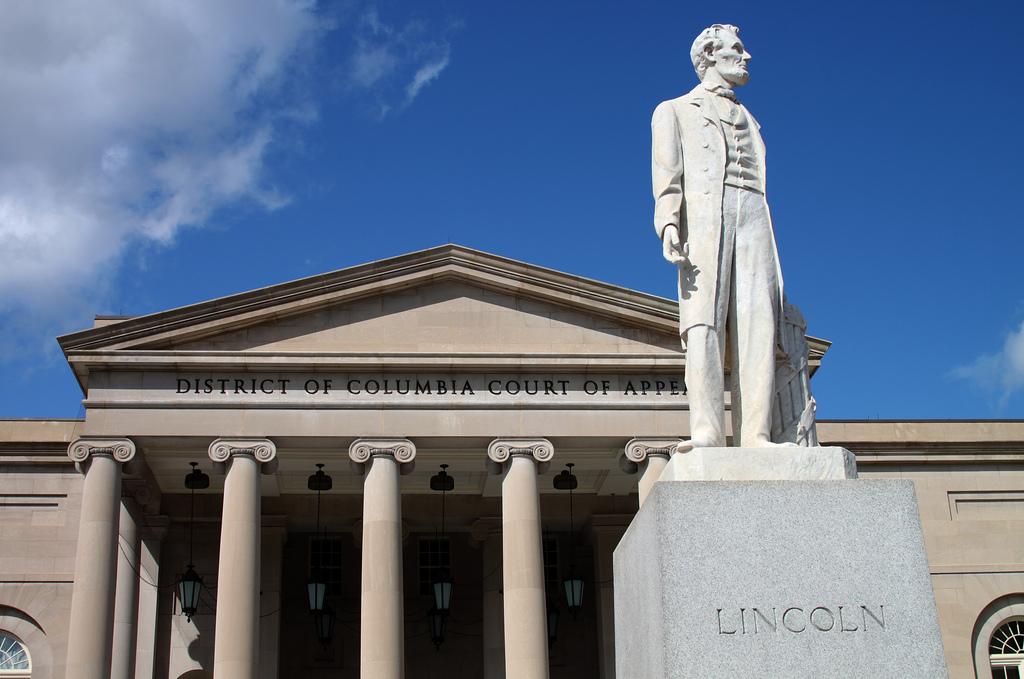
Image by Mark Dixon (Licensed CC BY 2.0)

Leading tech companies are  making new efforts to restrict white supremacist content, following the white supremacist rallies in Charlottesville, Virginia on August 11 and 12. Several companies terminated services for the Daily Stormer, a neo-Nazi website, after it posted an article disparaging Heather Heyer, a counter demonstrator who was killed during the rally on August 12. GoDaddy, a domain name registrar, terminated its service for the Daily Stormer, stating, “this type of article could incite additional violence, which violates our terms of service.” The Daily Stormer then moved its domain name registry to Google Domains, which also cancelled its service, citing a violation to its terms of service. Zoho, the website’s email provider, also cancelled its service due to a terms of service violation. Following the rally, Twitter also suspended the Daily Stormer’s account, and Facebook removed several pages affiliated with white supremacist groups.

Notably, Cloudflare, a content distribution network company that had previously publicly defended its decision to provide services to the Daily Stormer, also dropped the site. Cloudflare CEO Matthew Prince told the Verge, “This was my decision, I don’t think it’s CloudFlare’s policy and I think it’s an extremely dangerous decision in a lot of ways. I think that we as the internet need to have a conversation about where the right place for content restriction is…but there was no way we could have that conversation until we resolved this particular issue.”

Internet and social media companies have come under increasing pressure to do a better job policing extremist content. However, in doing so, it is important that these companies have clear guidelines, policies, and accountability mechanisms to ensure they do not censor legitimate free speech. Companies’ terms of service or user agreements, which outline what content and activities are not permitted, are also not always transparent or consistently enforced, making it difficult to determine what impact this may have on users’ freedom of expression rights. Only three of the 22 companies evaluated in the 2017 Corporate Accountability IndexGoogle, Microsoft, and Twitter—disclosed any data about the volume and nature of content they restricted for breaches to terms of service. Companies should clearly disclose the circumstances under which they may restrict content or user accounts, publish data about the volume and nature of actions they take to enforce these rules, and provide clear grievance and remedy mechanisms to address users’ concerns over violations to their freedom of expression rights as a result of actions taken by the company. (more…)

Corporate Accountability News Highlights is a regular series by Ranking Digital Rights highlighting key news related to tech companies, freedom of expression, and privacy issues around the world.

UK to revamp data protection rules

UK lawmakers have announced plans to revamp the country’s data protection rules in order to comply with the EU’s General Data Protection Regulation (GDPR), which come into force in May 2018. Under the proposed plans, the definition of “personal data” would be expanded to include IP addresses, internet cookies, and DNA. UK organizations could also face fines for not adequately addressing cybersecurity risks. Plans also include measures allowing UK citizens to demand that social media companies delete their data.

The GDPR, which will harmonize data protection laws across the EU, affects data protection regulations and practices globally. The rules apply to all “data processors” that handle data of EU citizens, regardless of where the data processors are based. As noted in our recommendations for the 2017 Corporate Accountability Index, governments should develop effective data protection regimes and privacy regulations in consultation with industry and civil society, with impact assessments to ensure that the laws can avoid unintended consequences for freedom of expression. Companies should also disclose more information about their GDPR compliance, and what this means for non-EU users. (more…)

Corporate Accountability News Highlights is a regular series by Ranking Digital Rights that highlights key news related to tech companies, freedom of expression, and privacy issues around the world.

Apple, Amazon comply with Chinese government VPN restrictions

The New York Times reports that Apple has removed several Virtual Private Network (VPN) apps from its China App Store at the the request of the Chinese government. Amazon’s Chinese partner, Beijing Sinnet Technology Co Ltd, which operates its cloud services in China, has also instructed its customers to stop using VPNs that have not been approved by Chinese authorities, and that it would shut down services for those who continued to do so, according to Reuters.

Internet users in China have anticipated a crackdown on VPNs, which users need to circumvent China’s “Great Firewall” and access blocked sites and content. According to The New York Times a number of the most popular foreign VPNs are no longer accessible from Apples App store. “We would obviously rather not remove the apps, but like we do in other countries, we follow the law wherever we do business,” Apple CEO Tim Cook said in response to the company’s decision to remove the VPN apps. “We strongly believe participating in markets and bringing benefits to customers is in the best interest of the folks there and in other countries as well,” he said. (more…)